BodyBalance Massage
Defining what makes Aira and her massages different, and translating it into a clear website, visuals, and communication.
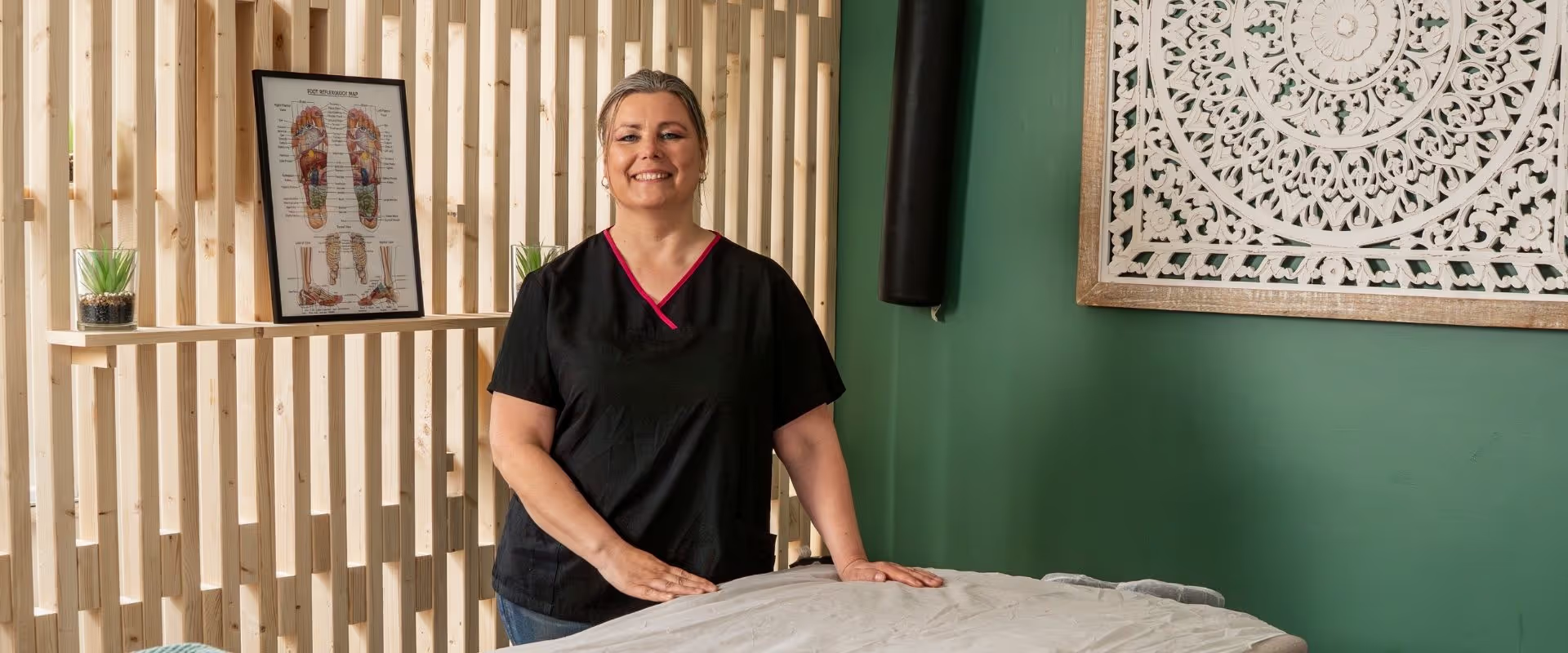
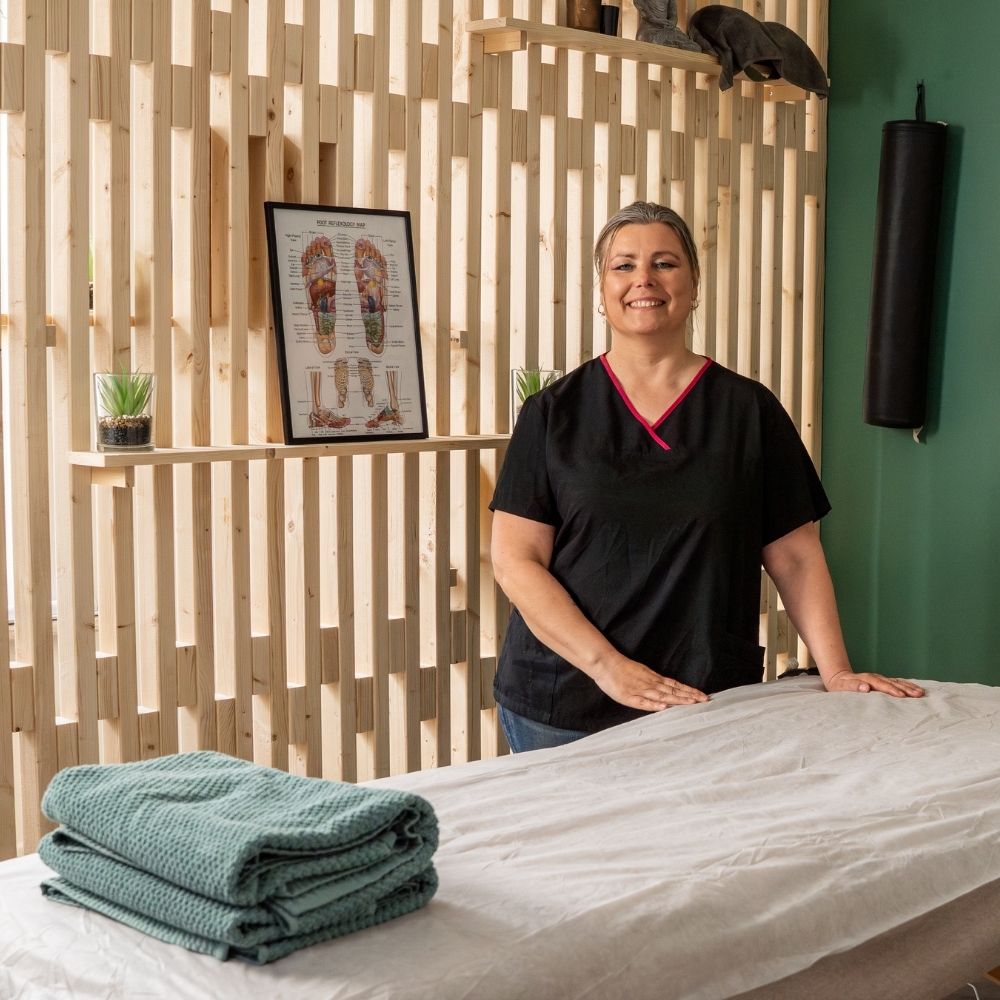
Aira is a physiotherapist and manual therapist. She works with people who experience physical discomfort and want to restore balance in their body through hands-on treatment.
Her approach is personal and adaptive. Each treatment is tailored to the client and can take place both in her practice and on location.
Aira had a stable practice with returning clients, but this was barely reflected online.
There was no clear foundation for how her work was presented. Online, it was difficult to understand:
- What kind of therapist she is
- how her treatments differ from others
- What someone could realistically expect from a session
The issue wasn’t a lack of quality or demand, but the absence of a story and a target on solving the right pain.
During our work, we kept seeing one important thing.
Aira can physically help a wide range of people. But the real impact of her work shows itself with clients who carry more than just physical complaints.
People who live with long-standing tension, emotional weight, inner unrest, loneliness, or experiences that never fully settled and instead found their way into the body.
For them, her work goes further than relieving symptoms. The treatment creates a sense of space and safety, allowing things to soften and release on a deeper level than a purely technical approach ever could.
That doesn’t mean she cannot help others. It simply means that when this deeper layer is absent, the result is relief, but not the same level of transformation.
That difference needed to be communicated clearly, both to reach the people who truly benefit most and to prevent expectations that don’t fully match the experience.
The goal was to shape an identity that truly reflects how Aira works in practice. An online presence that makes it clear who her approach is most impactful for, where her real added value lies, and that feels safe, calm, and grounded for the people who arrive there.
We started by stepping away from tools and design. In a small group session, we focused on one simple question: why do people keep coming back to Aira? We did this by looking at how clients describe their experience, what they value during a treatment, and how they feel afterwards, a clear narrative emerged. Only once that story was sharp did we move to execution.
Aira did not yet have a website. I translated the core story into a clear structure, designed it in Figma, and built it in Webflow.
The focus was on clarity and ease of use, especially for people who may already feel overwhelmed or hesitant before booking. The website is easy to manage and can evolve along with her practice.
The visual direction was deliberately restrained. Colors, typography, and layout were chosen to support calm and trust, reflecting how Aira works with her clients. Content order and structure were reviewed together to ensure the experience felt natural rather than promotional.
Elements such as pricing and reviews were added only where they supported reassurance and orientation.
What are the outcomes of this project?
The website now functions as a clear and honest introduction to Aira’s practice.
Visitors quickly understand what kind of therapist Aira is and for whom her approach has the most impact. The website makes it clear whether this way of working fits their situation, so people can decide with confidence if this is the right place for them to book a session.
The online presence supports trust by setting the right expectations from the start.
Understanding what your personal strengths are, why people specifically like being helped by you, and what kind of change you bring to their lives, gives clear direction for where your business can go.