Cesano
Market and consumer research to define target audience, competition, and go-to-market direction.
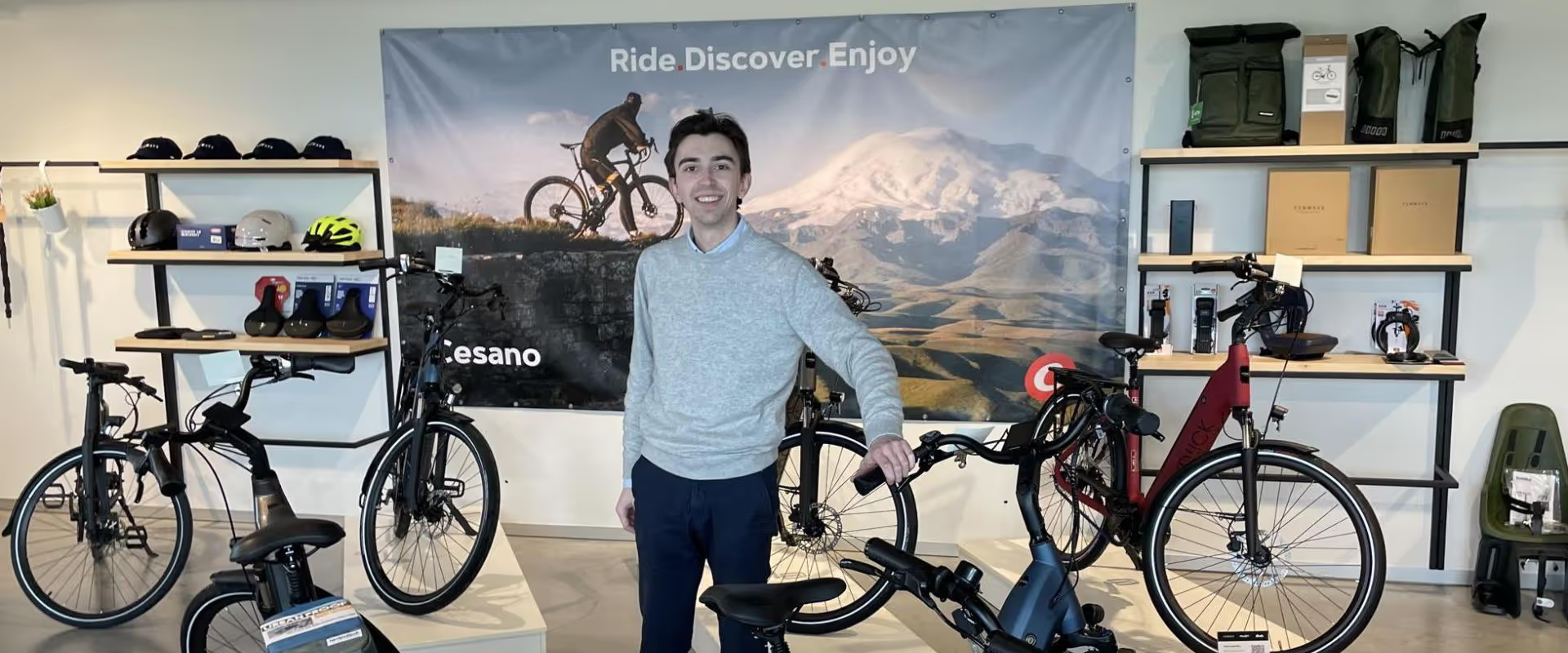
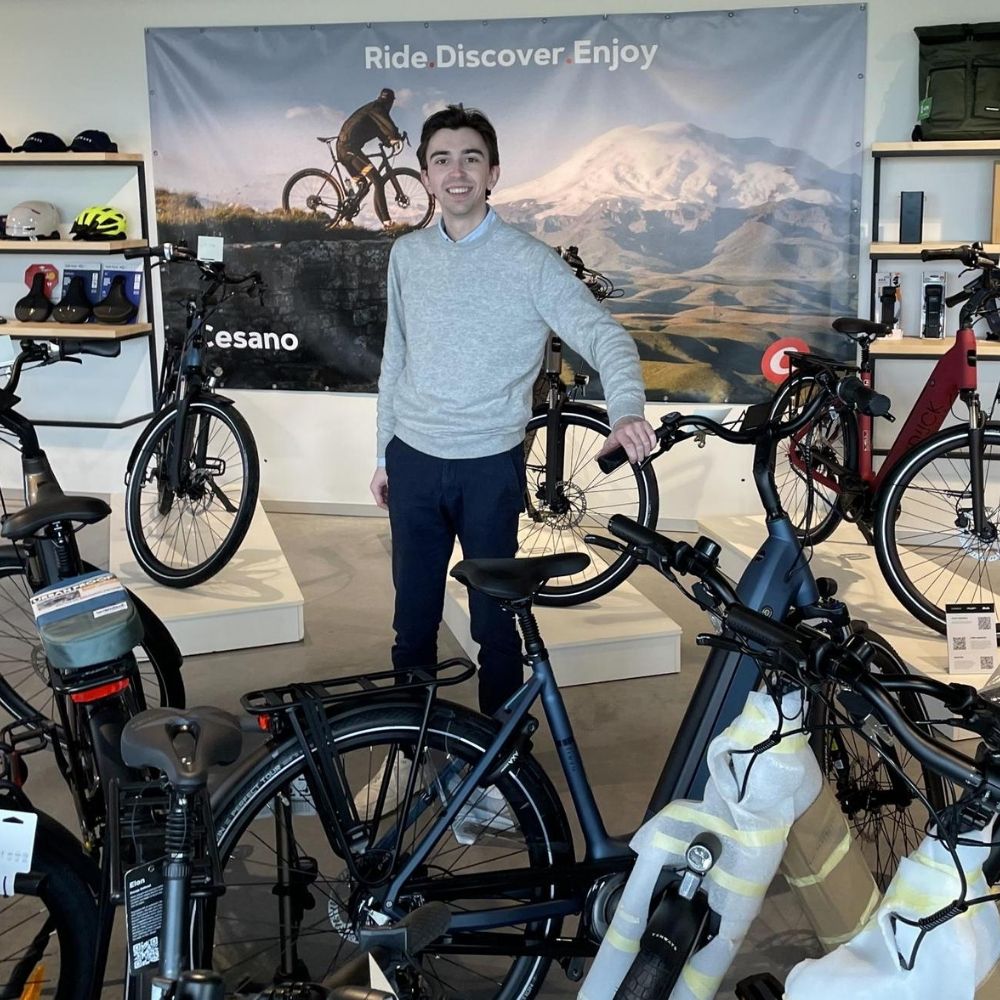
Cesano is a European e-bike company active in the Benelux and France. They focus on rental and leasing of electric bicycles for hotels and businesses, offering complete packages that include maintenance and support.
Before launch, Cesano still had to decide which market they were actually going to focus on: B2B or B2C.
Both paths looked attractive on the surface. Both came with different operational, commercial, and strategic consequences. Choosing wrong wouldn’t just slow growth, it would lock the company into the wrong model from day one.
At this stage, opinions and assumptions were everywhere, but actual certainty was missing. The question wasn’t what could work, but what makes sense in reality.
The goal was to remove uncertainty before committing.
Cesano needed a clear understanding of how the market is structured, where demand actually exists, and how organisations and users engage with e-bike rental and leasing in practice. The outcome had to support a concrete decision, not just provide background information.
The research started where Cesano planned to operate first.
We looked at the companies already active in those regions, from bike rental businesses to dealers offering leasing and organisations working with shared bikes.
Their offers, pricing and positioning were analysed to understand where competition was real and where it was overstated.
At the same time, usage behaviour was examined from a practical angle. We looked at how people use bikes in real situations. When renting is considered, when buying is preferred, what prices feel acceptable, and how bikes are used within companies on a day-to-day basis.
What are the outcomes of this project?
After looking at the market, one direction stood out. Rental and leasing for hotels and companies made more sense than going after individual consumers. That’s where demand was clearer, budgets were more realistic, and usage matched the offer better.
This also made it easier to see who really mattered as competitors and where Cesano didn’t need to compete at all. Pricing, usage and expectations stopped being assumptions and became something concrete to work with.
From that point on, the team could stop going back and forth. They knew who the offer was for and could prepare the launch around that choice.
This project wasn’t about collecting insights. It was about forcing a decision before it became expensive to change.
By taking the time to understand how the market actually behaves, Cesano avoided building in the wrong direction and gained a solid starting point for growth.