Opteco
Reframing the offer to define differentiation and translate it into communication that delivered higher-quality leads.
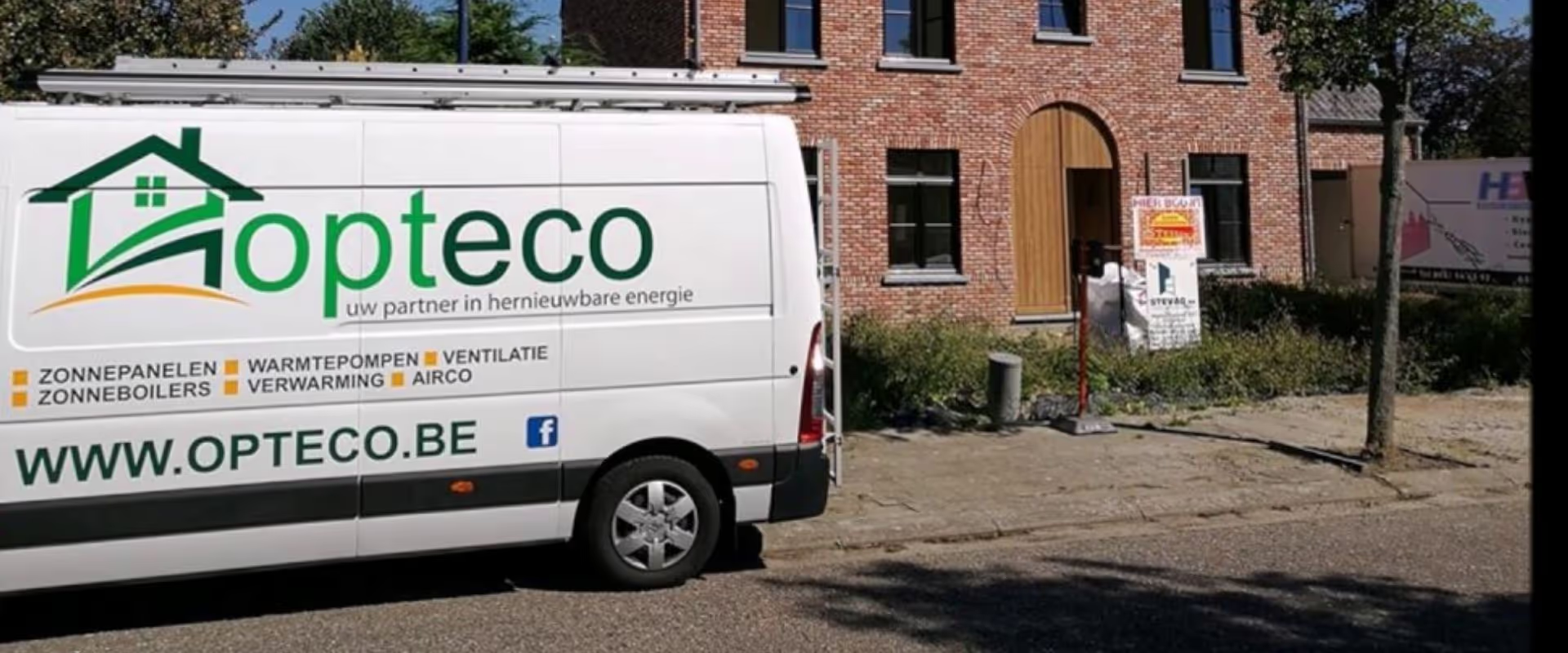
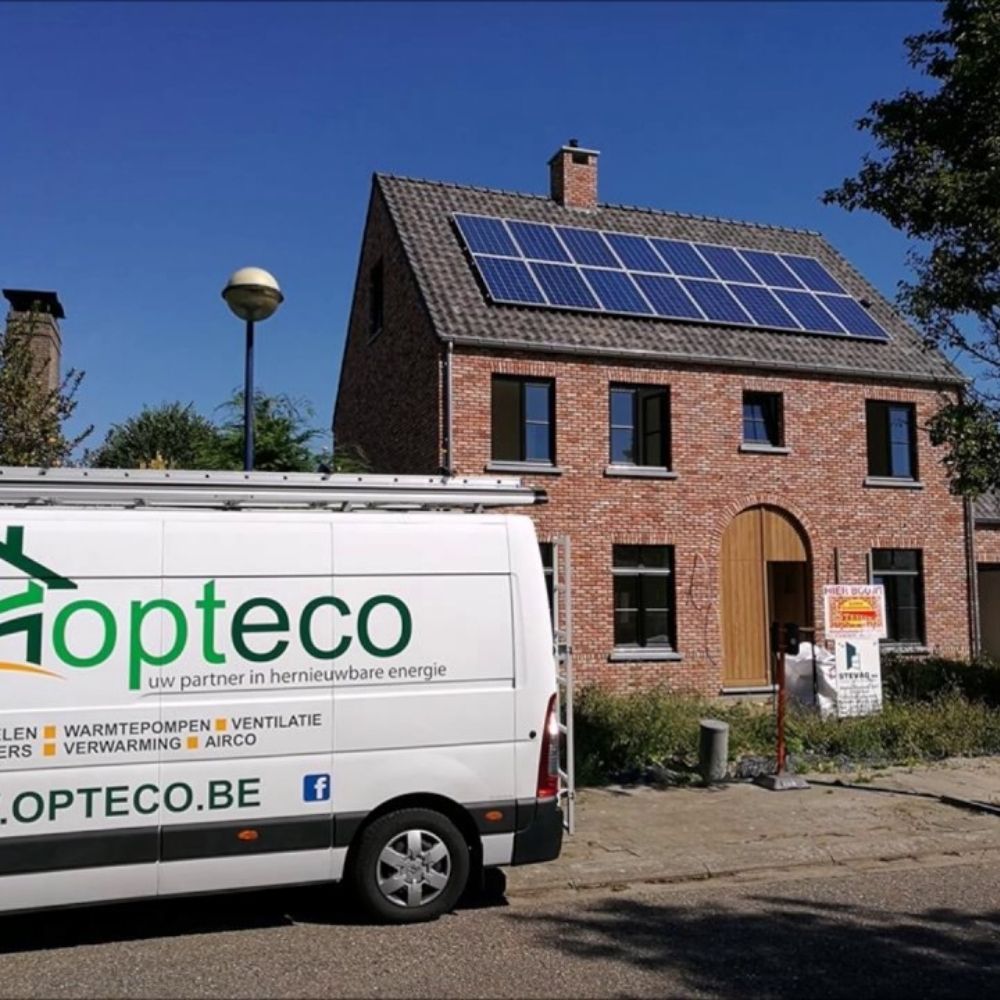
Opteco provides renewable energy solutions for private individuals, self-employed professionals, and industrial clients.
Their solution makes energy mechanisms accessible that are normally reserved for larger companies, such as compensation models and participation in energy balancing markets.
Opteco did not struggle with demand, but with understanding.
Potential customers showed interest, yet conversations often stalled. Prospects did not clearly grasp what Opteco actually did differently, when the solution was relevant for them, or how it compared to standard energy offerings.
As a result, Opteco was often perceived as just another energy provider, despite having a fundamentally different model.
More visibility or more campaigns would not solve this. The core issue was how people interpreted the offer.
The goal was not to generate more leads, but to create clarity.
People needed to understand:
- what problem Opteco solved
- For whom the solution brings the most value
- When it was not the solution.
I worked closely with the internal team to first clarify the offer itself, before scaling any execution.
The focus was on identifying what a potential customer needed to understand in order to make a decision at all, and what information only created noise or confusion.
From there, marketing was treated as a system rather than a set of isolated actions.
Once the message and the way of communication was clear, the marketing setup was built to focussed on solving of the pain the clients had.
Communication, entry points, and follow-up were aligned so that prospects encountered the structure. Campaigns were not used to push the offer harder, but to test whether the message was understood correctly and to adjust where confusion appeared.
Execution was always subordinate to comprehension.
Landing pages and follow-up were structured around decision context of the direction
Instead of trying to convince everyone, the setup helped the right prospects recognize themselves, while allowing others to opt out early. This reduced friction in sales conversations and filtered expectations before direct contact.
We measured it by looking at the metrics inside Google Analytics and the feedback of the sales and administration team. They gave information about the quality of the lead, the questions they had, and how the communication goes.
What are the outcomes of this project?
After three months, the approach led to conversion rates between 50% and 60%, with enquiries coming in more focused and relevant.
Lead quality improved significantly. From people that were looking for general information to ones that wanted to buy a high end solution.
Revenue and profitability increased, as fewer enquiries were needed to bring in new clients.
The sales conversations went smoother with less explanation. Because of that, the decisions happened faster and the satisfaction of the customer went higher.
This case was not about optimizing ads or funnels in isolation.
It was about removing confusion so people could make a clear decision: whether Opteco was the right choice for their situation or not.
That principle still defines how I work today. Looking much deeper and understanding everything from the core before something get build and executed.