BodyBalance Massage
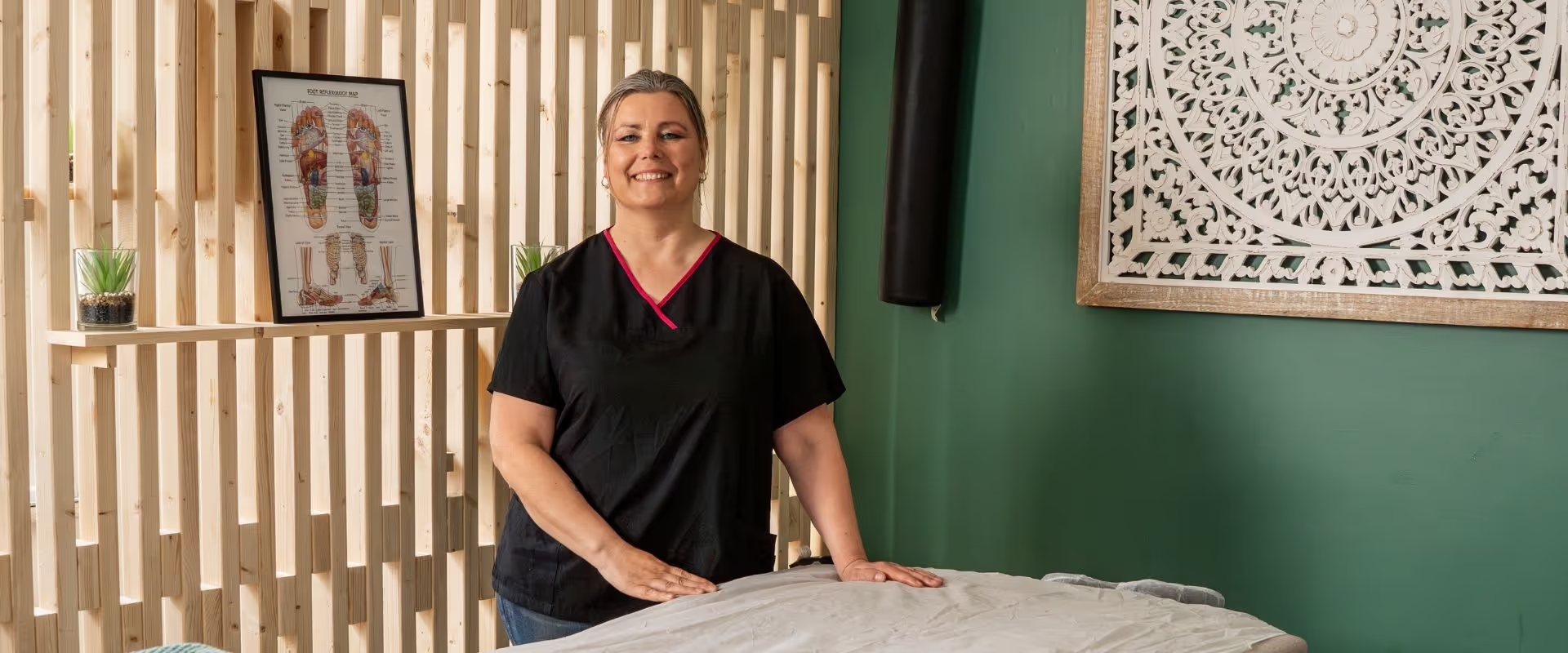
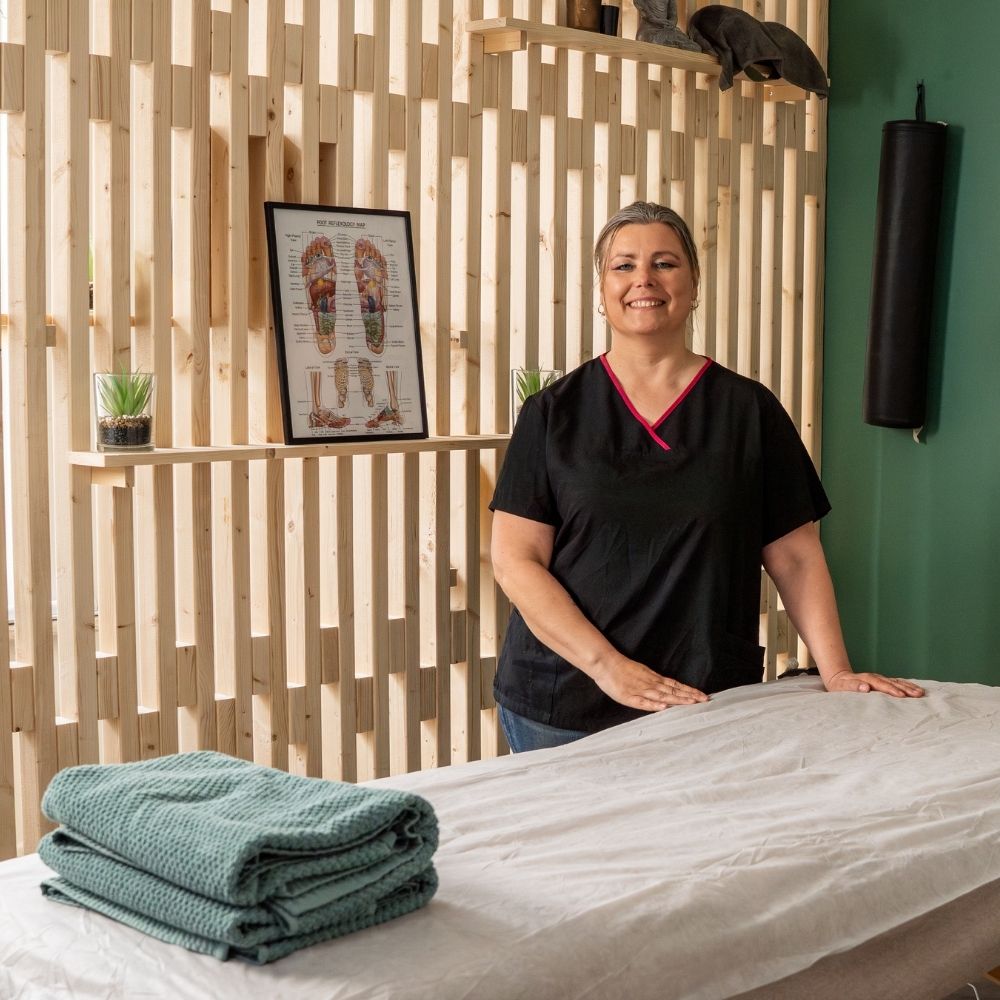
BodyBalance Massage is the practice of Aira, a physiotherapist and manual therapist who helps people with physical discomfort, tension and a body that feels out of balance.
The project in overview
From a general offer to Aira's personal way of treating.
At first glance, BodyBalance could look like a general massage and manual therapy practice. That was accurate, but it did not show the real reason people came back: Aira's personal way of treating the person in front of her.
Her treatments do not follow a fixed routine. She adapts to what someone needs in that moment. For one client, that may mean working on pain or muscle tension. For someone else, the session may touch stress, emotional pressure or tension that has been carried in the body for a long time.
The work was about making that shift visible: from a general treatment offer to Aira's personal way of treating people. That shaped the messaging, page structure, visual direction and website.
Trusted in person, harder to feel online.
Aira had a stable practice with returning clients. People who already knew her understood why they came back.
Online, that difference was harder to see. BodyBalance could be read as massage and manual therapy for pain and tension. That was part of the work, but it did not explain how Aira treats people.
For new visitors, the communication had to show more than the service category. It had to show how Aira listens, adapts and works with what someone brings into the session.
That matters for this type of practice. People often arrive with discomfort, stress or a body that does not feel right. They are looking for treatment, but they also need to feel that the way of working fits them.
The challenge was to explain Aira's work in a way that felt grounded, personal and calm. The communication had to show the depth of her work without making it sound exaggerated.
The positioning challenge
The difficult part was that Aira can help many different people.
Some clients come with a clear physical complaint. Others carry tension that is harder to explain. Stress, emotional heaviness or long-term unrest can also settle into the body, and those clients often need more than a standard massage description.
That made the positioning delicate.
If the communication focused only on pain and tension, the practice felt too limited. If it leaned too far into emotional release or deep transformation, it would no longer feel grounded.
The right position sat between both: grounded in physical treatment, but built around how Aira listens, adapts and treats the person in front of her.
That shaped the messaging, page structure and visual direction.
Away from general treatment descriptions.
The communication needed to move away from general treatment descriptions.
Massage and manual therapy are the services, but they are only part of why people choose Aira. The real difference sits in how she works: the calm, the attention, the listening and the way she adapts during the session.
That had to come forward earlier.
The message needed to help visitors recognise whether their situation fitted Aira's way of working, what kind of atmosphere they could expect and why the session goes beyond a fixed massage routine.
This made the online experience a place where people could get a first sense of the practice before booking, instead of only reading a list of services.
Start before design.
The work started before design.
In a small group session, we looked at why people keep coming back to Aira. We discussed how clients describe her treatments, what they appreciate during a session and how they usually feel afterwards.
The recurring themes were technique, physical relief, calm, attention, feeling listened to and the way Aira adapts the treatment to the person in front of her.
From there, the positioning moved away from a generic massage and manual therapy offer. The message was built around Aira's way of treating: calm, attentive and adapted to the person in front of her.
The structure was then built around what a visitor needs before booking: who Aira is, how she works, which situations she can help with and what someone can expect from a session.
Only after that was translated into UX, visual direction and the Webflow website.
Calm, human and precise.
The messaging had to make Aira's way of working visible before someone booked.
It had to feel close to how she works in real life. Calm, human and precise, without making the practice sound too soft, too medical or too sales-driven.
The structure carried that positioning into the website. It guided visitors from the service category toward what made Aira's work different.
The visual direction supported the same position. The final result had to feel calm and personal, while still helping people decide whether to book.
The Webflow build made the structure usable and easy for Aira to manage herself as her practice evolves. Alongside the website, a video concept was created to communicate the atmosphere of her work in a more natural way.
A stronger match between visitor and treatment.
The website was only the visible part of the work.
BodyBalance no longer came across as only a general massage and manual therapy practice. The communication made Aira's way of working easier to recognise before booking.
New visitors can get a better sense of who Aira is, how she works and whether this is the kind of support they are looking for. That creates better expectations before booking.
It also supports Aira herself. Her strengths are now visible earlier, through the message, structure and feeling of the first online interaction.
The result is a stronger match between what people expect before booking and what they experience during the treatment.
This case was about repositioning a general treatment offer around the real reason people choose the practice. For service providers like Aira, the difference is often in the way someone listens, adapts and creates trust.
When that is missing from the communication, the practice can look more ordinary than it really is. The work was about finding the right language for that difference.
Once the positioning was clear, it could be translated into the website, visual direction and booking path. The website came after the positioning work, not before it.
Clearer positioning, built around the real reason people choose you.
If you have a strong offer but people don’t see the value behind it, it’s time to change how it is presented. Let’s make it clear what your offer does, who it is for and why people should choose you.