Opteco
Opteco provides renewable energy solutions for private individuals, self-employed professionals and industrial clients. Their offer gives customers access to energy mechanisms that are usually harder to reach without scale, such as compensation models and participation in energy balancing markets.
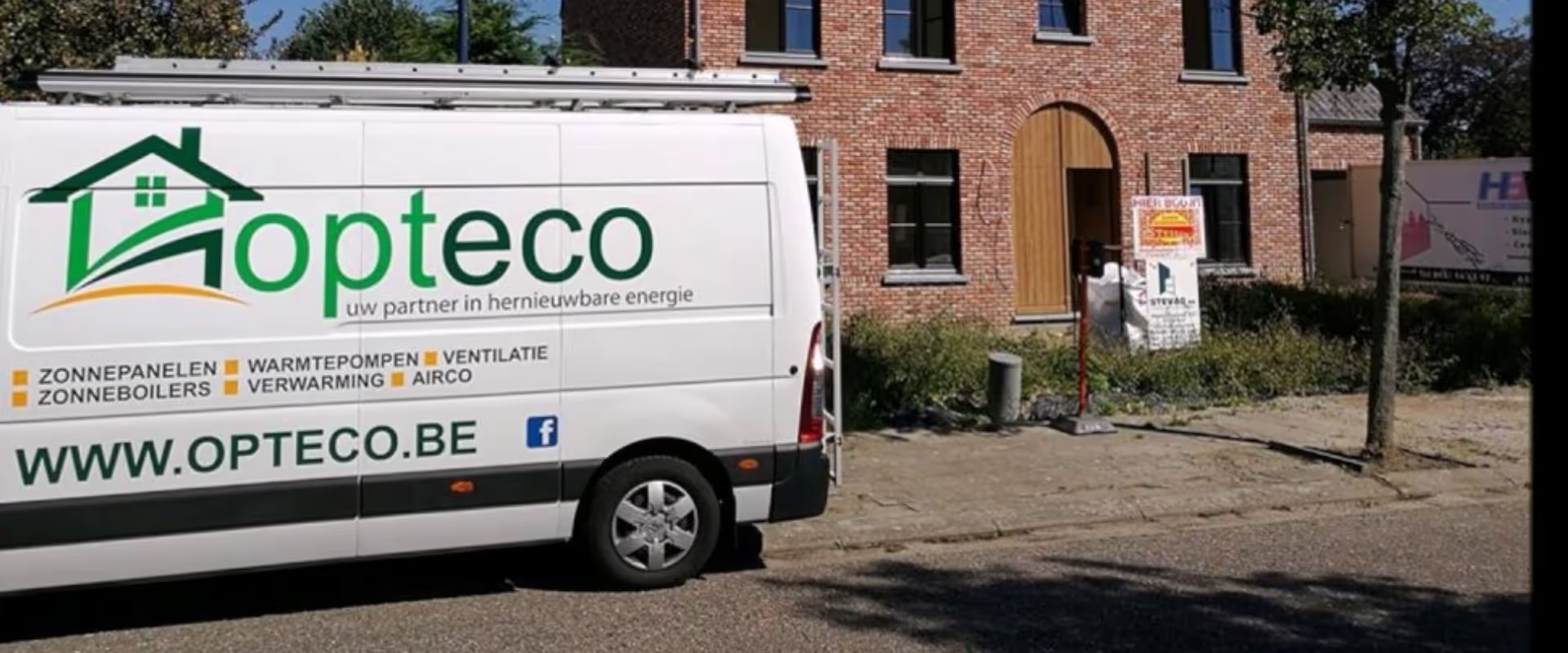
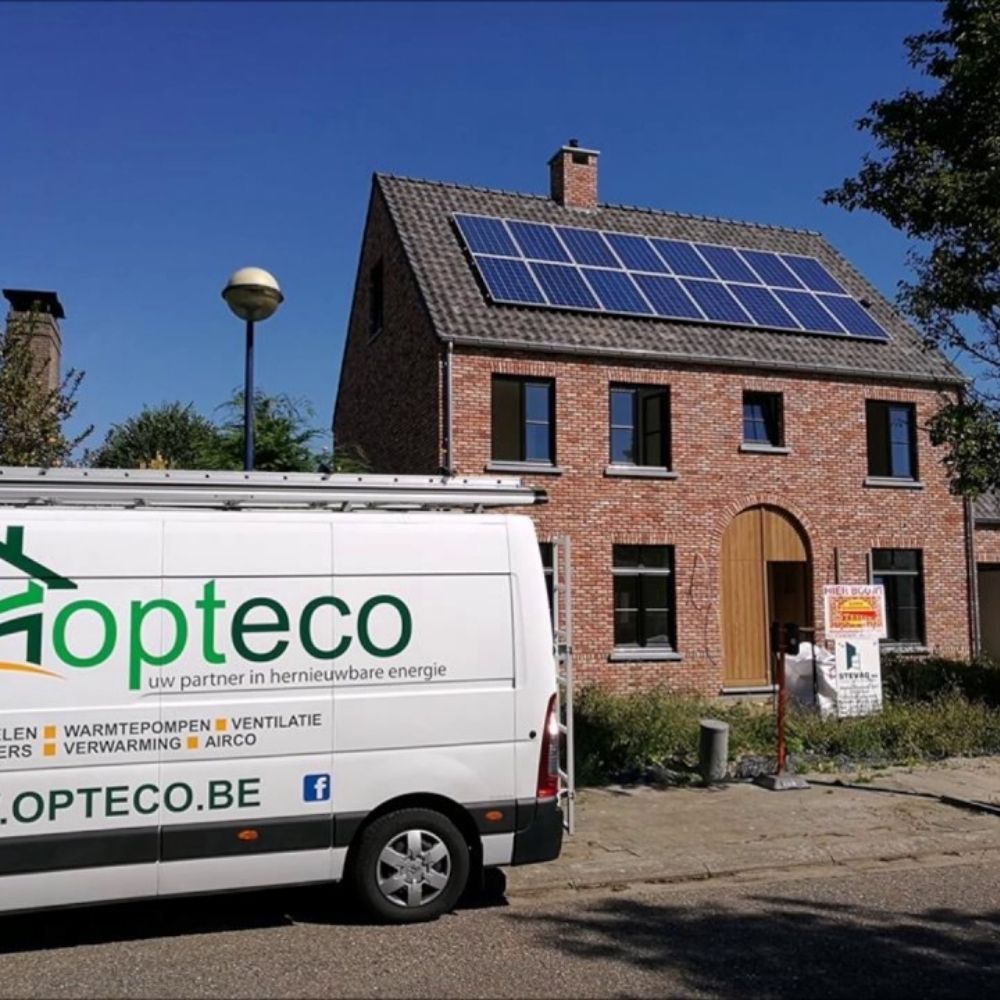
The project in overview
Rebuild the path from first contact to enquiry.
The interest was there but the challenge was that prospects did not always understand what made Opteco different.
Many people recognised the topic of renewable energy, but placed the offer too quickly in a familiar category. They compared Opteco with a standard energy provider, while the model worked differently.
That created friction in the sales process. Prospects were curious, but often needed too much explanation before they could judge whether the offer matched their situation.
My role was to rework how the offer was explained and rebuild the path from first contact to enquiry. The work focused on helping the right people recognise faster whether Opteco matched their situation before entering a sales conversation.
Helping them understand how Opteco's model worked.
Opteco already had interest from the market where people were curious about renewable energy solutions.
The challenge was helping them understand how Opteco's model worked.
Prospects understood the general category, but missed the specific difference behind the offer. They saw "energy", "renewable" or "solution", while the value came from access to mechanisms that go beyond a standard supplier relationship.
That made the sales process heavier than it had to be. Too much time went into explaining the basics before the real conversation could start.
More traffic would have brought more people into the same confusion. The communication first had to make the offer easier to place.
Help prospects understand earlier whether Opteco was relevant for them.
The communication had to help prospects understand earlier whether Opteco was relevant for them.
Before requesting a conversation, people needed to understand whether the offer fitted their energy situation, how it differed from a standard energy offer and what made the model relevant for them.
That clarity mattered for lead quality. The work was aimed at attracting people who understood the offer better, had a stronger reason to act and were closer to a serious sales conversation.
Start with the offer itself.
The work started with the offer itself.
Before scaling campaigns, I worked with the internal team to clarify how the solution should be explained. We looked at where prospects usually became confused, which parts of the message made the offer harder to understand and what people needed to know before deciding whether Opteco was relevant for them.
From there, we looked at the full path from first contact to enquiry.
Campaigns, landing pages and follow-up had to guide people in the same direction. People first needed to understand the difference, then recognise whether the offer matched their situation, and only then take the next step.
Strategy and execution
With the offer easier to place, the campaigns and landing pages had a more specific job to do.
Campaigns were built around situations customers already recognised. The message moved away from broad renewable energy claims and closer to the customer's actual decision: what they wanted to improve in their energy setup, why a standard supplier relationship had limits and when Opteco's model became relevant.
Landing pages were rebuilt around that same decision. Instead of explaining everything at once, they helped visitors understand what Opteco did differently, who the model was for and when the offer was worth exploring.
Follow-up carried the same message into the sales process. This helped filter expectations before direct contact, so sales conversations could start with more context.
Measurement and feedback
The work was measured through both data and team feedback.
Google Analytics helped track how people moved through the landing pages, where they converted and which traffic sources brought the right behaviour.
The sales and administration team gave the most useful feedback on lead quality. They could see whether enquiries were more relevant, what questions people asked, how much explanation was still needed and whether prospects were closer to a buying decision.
That combination mattered because a conversion only had value when the conversation after it was worth having.
Conversion rates between 50% and 60% from self-generated leads.
The website was only the visible part of the work.
BodyBalance no longer came across as only a general massage and manual therapy practice. The communication made Aira's way of working easier to recognise before booking.
New visitors can get a better sense of who Aira is, how she works and whether this is the kind of support they are looking for. That creates better expectations before booking.
It also supports Aira herself. Her strengths are now visible earlier, through the message, structure and feeling of the first online interaction.
The result is a stronger match between what people expect before booking and what they experience during the treatment.
This case shows what happens when a complex offer is explained in a way people can actually place.
When people put an offer in the wrong category, they compare it in the wrong way. They ask different questions, expect different things and need more explanation before they can make a decision.
For Opteco, the improvement came from making the difference clearer: what the solution does, who it is for, when it makes sense and what someone needs to understand before entering the sales process.
After that, the campaigns and landing pages had a clearer job to do.
Clearer positioning, built around the real reason people choose you.
If you have a strong offer but people don’t see the value behind it, it’s time to change how it is presented. Let’s make it clear what your offer does, who it is for and why people should choose you.